


What kids are watching, streaming and talking about is shaping what they are eating more than ever before, with Korean-inspired lunches surging across Australian schools off the back of the KPop Demon Hunters craze.
The film has exploded across streaming platforms and social media, blending K-pop style music, animation and high-energy storytelling that has resonated with school-aged audiences.
Clips, songs, and characters from the film have gone viral on platforms such as TikTok and YouTube, driving playground conversations and fan culture that extends well beyond the screen.
Know the news with the 7NEWS app: Download today
Now, new data from online canteen ordering service Flexischools has shown a 200 per cent increase in orders of Korean-style meals in 2025, signalling a sharp shift away from the sausage roll and party pie staples that once ruled the Aussie canteen.
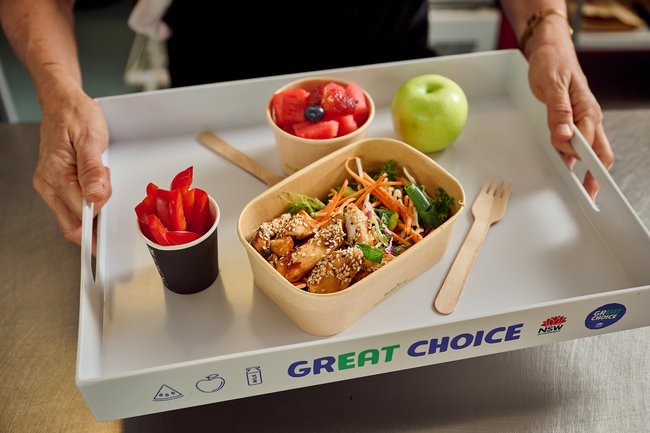
Bulgogi beef bowls, Korean flame-grilled chicken burgers and Korean-style chicken with rice are now regular menu items in schools nationwide, reflecting the growing influence of youth culture on everyday food choices.
Flexischools CEO Rachel Debeck told 7NEWS.com.au children are no longer passive about what appears on canteen menus.
“Flexischools data shows Korean-inspired canteen meals rose almost 200 per cent year-on-year in 2025,” Debeck said.
“Part of that growth is the influence of youth social trends, including K-pop and the popularity of KPop Demon Hunters, which shapes not only what kids are talking about, but what they are choosing to eat.”

While pop culture has acted as a powerful accelerator, Debeck said the trend runs deeper than one single fandom moment.
“It’s not just pop culture. School menus are becoming far more global and kids today are growing up with far broader exposure to international cuisines at home, in restaurants, and online,” she said.
“It’s a combination of both because, while pop culture sparks awareness, kids’ palates have evolved and they’re now driving many of the trends we’re seeing in school canteens and tuckshops.”
She said Korean food has benefited from the global rise of K-pop, but its staying power comes from the children themselves.
“The increasing popularity of K-pop has helped bring Korean flavours into the spotlight, both in our restaurants and retail outlets and in schools with dishes like Korean flame-grilled chicken burgers and bulgogi bowls quickly becoming menu regulars,” she said.
“But the bigger shift is that children themselves are shaping what’s popular.”
International flavours growing
The rise in Korean lunches is just one part of a wider transformation of what children are ordering to eat at school.
In 2025, sushi overtook sausage rolls nationally, while Asian-inspired meals and high-protein chicken dishes surged across multiple states.
“It shows that the idea of ‘Australian school food’ is expanding and modernising in a really meaningful way,” Debeck said.
“School canteens today look nothing like they did 20 years ago.
“They’ve evolved into modern offerings that mirror the cultural diversity, global food trends and dietary needs seen in Australian households.”
She said strong growth in other international flavours shows the shift is structural rather than fleeting.
“The shift toward Korean, Japanese and Indian flavours, with dishes like butter chicken receiving more than half a million orders and Korean-inspired dishes increasing by almost 200 per cent, highlights how the classic Aussie canteen is embracing multicultural tastes,” Debeck said.
At the same time, changing family routines are reshaping how lunches are organised. With many parents juggling both work and school commitments, convenience has become a key driver behind canteen ordering.
“Parents are experiencing more time poverty than ever,” Debeck said.
“Many are turning to canteens and tuckshops because it saves 100-plus hours a year compared with making lunches at home — not to mention the stress it takes out of trying to get out the door each morning.”
That pressure, she said, is being felt in households across the nation.
“With 71 per cent of couple families having both parents working, many of them are struggling to balance work, school, and home life,” Debeck said.
“Parents are increasingly turning to canteen ordering because it saves them valuable time, gives their kids more variety during the week, and ensures they’re getting food to power them through an afternoon of learning.”

Fit for purpose
The success of Korean food also lies in how well it fits nutritional preferences and the realities of school kitchens.
“Korean dishes naturally fit what both kids and parents are gravitating towards right now,” Debeck said.
“Flexischools data shows that students are increasingly choosing high-protein meals, signalling a clear shift toward meals that feel filling, nutritious and balanced.
“Korean-inspired options line up perfectly with these preferences: they’re built around familiar ingredients like rice, chicken and mild sauces, offer solid protein, include vegetables, and deliver bold but approachable flavours that aren’t overly spicy.”
She noted they also work seamlessly in a canteen setting.
“They translate exceptionally well into a school-canteen environment because they’re simple to prepare at scale, travel well in a lunch format and offer reliable consistency,” she said.
Still a place for the humble sausage roll
Despite the global expansion of menus, Debeck said nostalgia still has a place in the school canteen.
“It’s a big departure from the classic canteen experience I remember, but it’s overwhelmingly a positive shift,” she said.
“And interestingly, those nostalgic favourites aren’t disappearing — they’re still on the menu, with a million party pies, 488,000 jelly cups and 426,000 Zooper Doopers ordered last year.
“So, rather than replacing tradition, modern menus are expanding.”
But, far from a trend, Debeck believes Korean-inspired meals will be firmly embedded in school menus in the years to come.
“All signs point to Korean meals sticking around,” she said.
“The data shows they didn’t just spike, they doubled, firmly embedding themselves in the mainstream menu.
“As school canteens continue to diversify and embrace more global influences each year, it’s likely Korean dishes will sit comfortably alongside new flavours rather than fade away.
“School lunches in 2026 are set to be more varied, more global and more reflective of modern family life.
“Korean-inspired meals have become an integral part of that new normal.”


